Yes, there will be progress but that’s not really what Moore’s Law is about. Moore’s Law is not an observation that there will be progress eventually but an observation at specific rate of that progress. It’s not “transistors will double eventually”, or “transistors will increase somewhat every 2 years”.
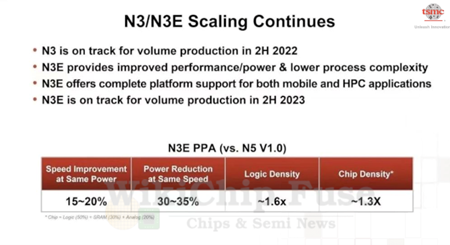
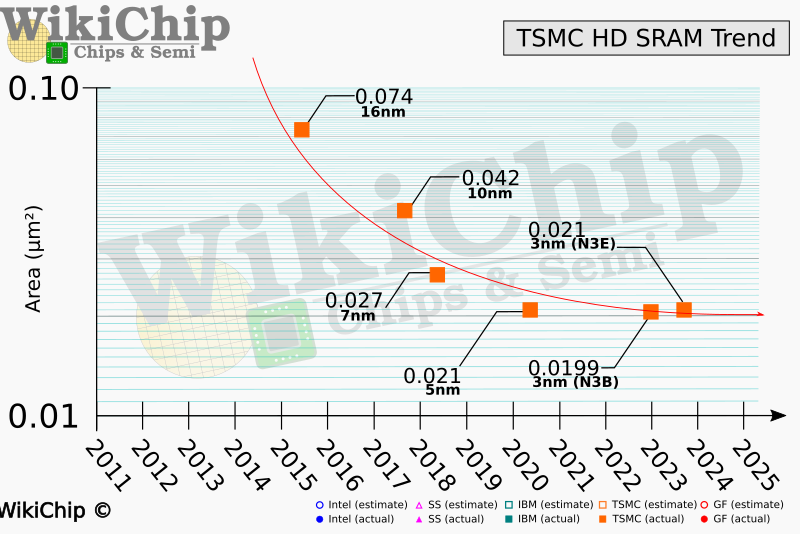
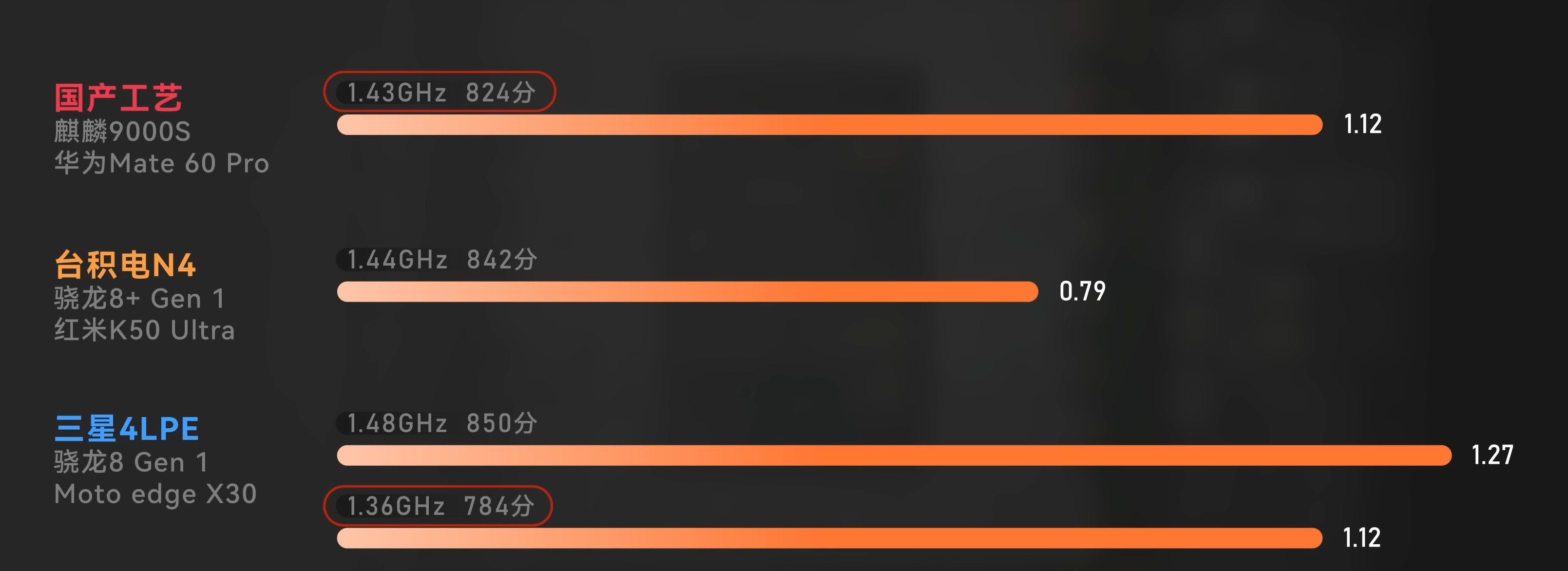
With exponential growth, the tiniest decrease compounds to a major difference. 2 to the power of 3 is 8; the A16 has 16B transistors not 26B. That’s with the gains of the last DUV nodes, 16->10->7nm. EUV to EUV, 5nm to 3nm doesn’t match up to that. It seems transistor growth with EUV nodes is becoming linear so not really in line with the exponential growth of Moore’s Law.
The chips could be larger but flagship phones would have to become even more expensive, and physically larger to dissipate the extra heat. Dennard Scaling mattered more in practice than Moore’s Law ever did but that ended over a decade ago. At the end of the day, all the microarchitecture and foundry advances are there to deliver better performance for every succeeding generation and the rate of that is definitely decelerating.
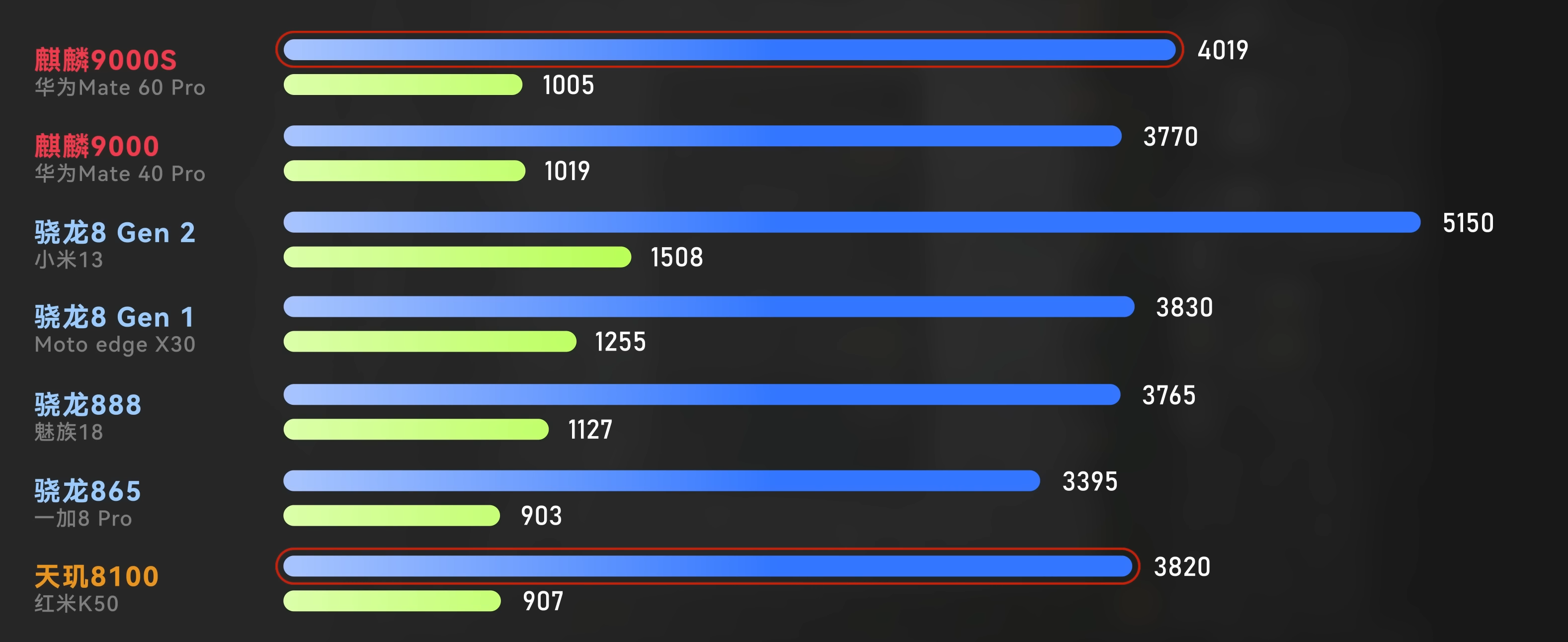
In 3 years, the only Android chip that has a perceivable difference in performance from the Kirin 9000 is the 8 Gen 2, which cost $160 just for the chip. That performance difference isn’t even enough to be a selling point; the Mate 60 Pro is in the same price range as those 8 Gen 2 phones yet is still perfectly competitive in that market segment.


Sanctions really are the biggest own goal.
It would be the LEAP not the PD-14 in the MC-21, if not for sanctions. In normal conditions, it’s a winner takes all market no matter how tiny the difference is every cent counts to carriers. Only the single most efficient engine available would’ve made sense and it turns out sanctions did just that.
The sanctions are the largest boon to Chinese semi tool companies; they were snubbed by big name Chinese tech beforehand. Now, fear and uncertainty of supply weighs down the western competition. ASML in China has been brought down to SMEE’s level; next year, ASML can’t sell anything more advanced than what SMEE can make.
SMIC would have the same issues as Global Foundries did with justifying the investment in 7nm. The few fabless companies in China that use leading edge processes are wedded to TSMC. If Huawei wasn’t there as a guaranteed customer, SMIC wouldn’t have been able to get their investment to pay off. Huawei didn’t even consider domestic alternatives outside of what they themselves make before the sanctions. The Mi 10 Ultra, with a QCOM SoC, had more domestic parts than the Huawei equivalent.
Even advanced engines can’t redeem the F-35 though, it’s still slower than the JF-17.