

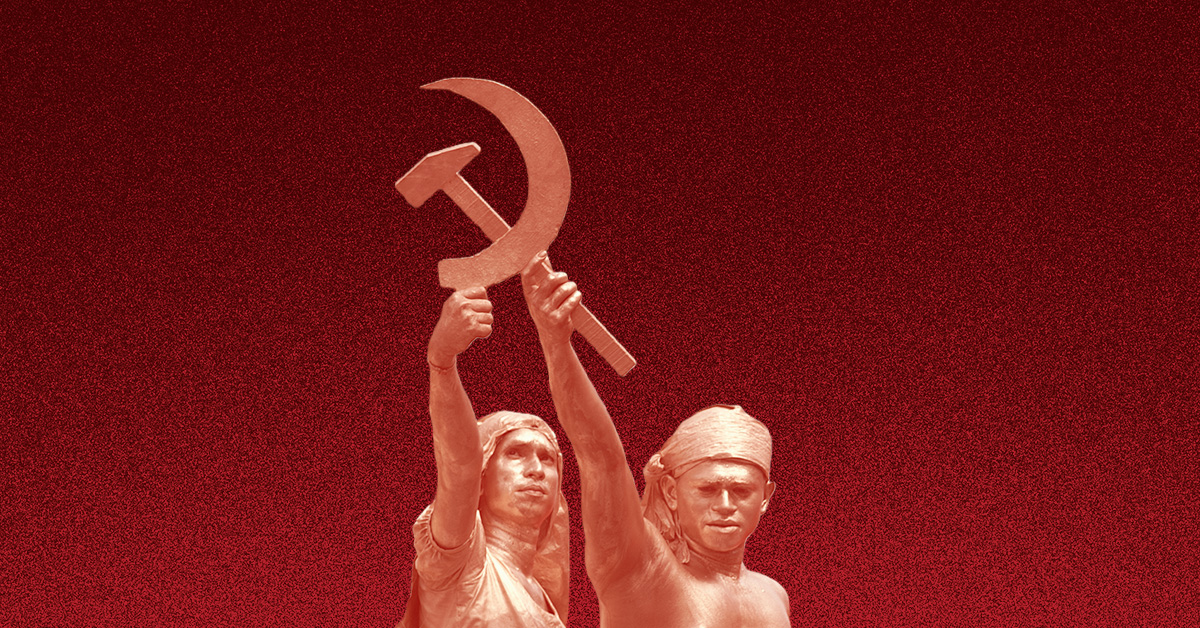
What fell in Kerala was a particular idea of what left power looks like, in which a disciplined “vanguard” party can manage a competent welfare state, and measure its success through the institutional representation of the working class and its electoral legitimacy. That idea produced real gains over sixty-nine years. Land reforms happened. Literacy happened. People lived longer and better. None of that should be dismissed.
The project itself carried a limit, wired into how it related to capital, how little democracy it allowed inside the party itself, and how thinly it touched the worlds it claimed to speak for. What the left needs next is not a more competent version of the same statecraft, but a political imagination that begins with the precariat, the informal worker, the Dalit, the migrant – people whose lives demand structural change, not more efficient management and then builds its institutions outward from that ground. It is an organisational form that refuses the reflex by which movements are turned into bureaucracies the moment they enter office.
Socialists can’t run a Keynesian program forever, eventually the Kaleckian contradictions of constantly chasing full employment eventually emerge and the question that socialist party must face is whether they embrace the short term pain of expanding the productive capacity for the development of an actual socialist transition (thereby eliminating the informal precariat that just killed Kerala Socialism) or do they just keep chasing the diminishing returns of welfare capitalism, pretending as if the fuel of capitalism isn’t profitability and international flows?
Socialists are not the eternal managers of capitalism, we are the abolishers
or one should let management of capital in the people hands, give everyone inalienable voting share in any nationalized company, have 500 elections every year like shareholders do.
Good article. Some more reasons:
-
Indian states have to follow borrowing and spending rules made by the national government. Normally this is a good thing because you don’t want a politician putting their state in debt to benefit their friends. But it limits how much money states can spend on welfare schemes.
-
People saw Pinarayi as capable but arrogant and not a friendly person. Even many party workers - in Keralam and other states - did not like him. The new Congress (opposition) leader was seen as more friendly, humble and also adopted some ‘left’ language and policies.
One other thing now is that the left parties may recover in West Bengal because the BJP is ruling even worse than the TMC. And in Tamil Nadu, the new government is okay but not as good as previous DMK + Left government, so there is a chance there also. A Left or Left+ government in a large, rich state like TN or Maharashtra can avoid many of the problems the Left had in Bengal, Keralam and Tripura.
-
